“Natural forces within us are the true healers of disease.” – Hippocrates
A Client Story on Weight Loss and Gut Health:
I want to share a story with you.
I worked with a client for about a year. In the first five months, we focused mainly on energy, lifestyle, and emotional work. Over time—13 months in total—she lost 50 pounds without restrictive diets, weight loss drugs, or calorie counting.
Her transformation didn’t come from quick fixes. Instead, she reconnected with herself—her power, her resilience, her inner source of healing. We worked through mental blocks, emotional patterns, and lifestyle shifts. As she began feeling more balanced and connected, the weight came off naturally.
Her healthier choices didn’t feel like “willpower.” They flowed from a deeper place of self-care and alignment. When the inside shifted, the outside followed.
If she could do it with patience and commitment, so can you.
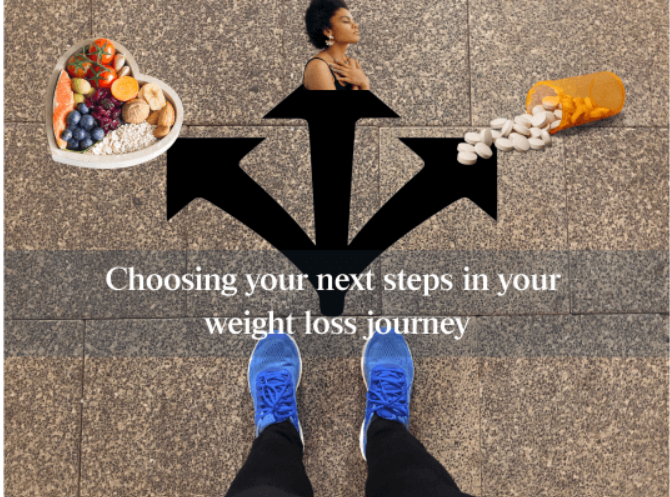
GLP-1 Drugs: What You Need to Know about Weight Loss and Gut Health Risks:
Lately, weight loss medications have been getting a lot of attention. One category in particular—GLP-1 receptor agonists—has been widely discussed in the media. Let’s take a closer look at what they are, the potential benefits, and what you should consider if you’re exploring them.
What Are GLP-1 Drugs?
GLP-1 (Glucagon-Like Peptide-1) receptor agonists are medications originally developed to manage type 2 diabetes. More recently, they’ve gained popularity for supporting weight loss. These drugs mimic a natural hormone that helps regulate blood sugar, slow digestion, and reduce appetite.
Common GLP-1 drugs include:
- Semaglutide (Ozempic, Wegovy, Rybelsus)
- Liraglutide (Victoza, Saxenda)
- Dulaglutide (Trulicity)
- Exenatide (Byetta, Bydureon)
Possible Side Effects and Considerations when Choosing your Weight Loss Option:
Like all medications, GLP-1 drugs may have both benefits and risks. Some commonly reported side effects include:
- Digestive symptoms: nausea, vomiting, diarrhea, constipation
- Pancreatitis risk: inflammation of the pancreas (rare but serious)
- Gallbladder issues: gallstones or gallbladder disease in some users
- Muscle loss: rapid weight loss may include lean muscle, which can affect metabolism long-term
- Mental health changes: some report mood shifts, depression, or anxiety
- Blood sugar changes: risk of hypoglycemia when combined with other diabetes medications
Research is ongoing about other possible effects, including thyroid cancer risk in certain populations and cardiovascular outcomes.
Because responses vary, it’s important to work closely with a healthcare provider to monitor both benefits and risks and understand dosing. Some functional providers are recommending microdosing GLP-1 drugs for those who are candidates as this reportedly produces less side effects.
Who Might Need Extra Caution?
- Individuals with a history of pancreatitis or thyroid cancer
- Those with gallbladder concerns
- People prone to muscle loss or frailty
- Anyone with a history of depression or mood disorders
Natural Ways to Support Blood Sugar & Weight Health
Whether or not medication is part of your journey, lifestyle approaches are essential for lasting health. These strategies help strengthen metabolism, balance hormones, and support overall well-being:
- Nutrition: Whole, unprocessed foods, fiber-rich vegetables, lean protein, and healthy fats. Try “ordered eating” (veggies first, then protein/fat, carbs last) to naturally support blood sugar balance.
- Movement: Strength training and regular activity preserve muscle and improve insulin sensitivity. Even short bursts—like a walk or calf raises after meals—make a difference.
- Stress management: Breathwork, meditation, and energy work help regulate hormones and reduce emotional eating.
- Gut health: Probiotic-rich and fermented foods may support GLP-1 secretion and a healthy metabolism.
- Supplements & herbs (with professional guidance): Berberine, cinnamon, fenugreek, bitter melon, Gymnema Sylvestre, turmeric, green tea, and chromium have shown potential benefits for blood sugar regulation.
Research Highlights
- Fiber: Soluble fiber slows digestion and supports GLP-1 secretion (Nutrition, 2005).
- Healthy fats: Omega-3s from fish improve insulin sensitivity and GLP-1 production (Journal of Nutrition, 2015).
- Protein: Stimulates GLP-1 release, improving satiety (AJP Endocrinology & Metabolism, 2004).
- Apple cider vinegar: May improve insulin sensitivity (BMC Complementary and Alternative Medicine, 2009).
- Intermittent fasting: Linked to improved gut health and GLP-1 secretion (Journal of Clinical Investigation, 2015).
- Gut microbiome: Plays a role in GLP-1 regulation (Journal of Clinical Investigation, 2017).
Final Thoughts on Weight loss and Gut Health:
GLP-1 medications can be helpful for some people, but they are not a magic solution. They don’t replace the need for strong muscles, balanced hormones, nourishing foods, and emotional well-being.
That’s where holistic support comes in. As a health coach, I help clients build sustainable lifestyle habits that complement medical care—supporting long-term resilience, vitality, and confidence in their own bodies.
✨ If you’re curious about how holistic support can fit into your journey, I’d love to connect.
Disclaimer: This blog is for educational purposes only and is not intended as medical advice. Always consult your healthcare provider before starting, stopping, or changing any medication or treatment plan. While GLP-1 drugs can offer significant benefits, they also come with substantial risks depending on the dosing. They do not replace the need for strong muscles, balanced hormones, nourishing foods, and emotional well-being. Always consult with a healthcare provider before starting or discontinuing any medication.
Sources:
- Mayo Clinic. “GLP-1 Receptor Agonists: Uses and Side Effects.” https://www.mayoclinic.org
- American Diabetes Association. “GLP-1 Medications for Diabetes and Weight Loss.” https://www.diabetes.org
- National Institutes of Health. “GLP-1 Agonists and Risk of Thyroid Cancer.” https://www.nih.gov
- Journal of the Endocrine Society. “Adverse Effects of GLP-1 Drugs: A Review.” https://academic.oup.com
- Dr. Axe @drjoshax on instagram. Renowned doctor.
![Melanie [Last Name], Clinical Herbalist, Wellness Coach, Speech Pathologist](https://root2risewellness.org/wp-content/uploads/2025/10/640970d80283f12f38921c8d-1.webp)
Melanie is a Clinical Herbalist, Integrative Nutrition Health Coach (INHC), and licensed Speech Pathologist ( MS, CCC -SLP). Through her blog, she educates and empowers others, making holistic health simple, practical, and grounded in science. When she isn’t working with clients, you’ll find her gathering wild plants, cooking nourishing food, or dancing up a storm.