For the longest time, I truly believed that avoiding the foods I couldn’t tolerate meant I was listening to my body — and therefore healing it. Dairy didn’t feel good, so I stopped eating it. Gluten caused discomfort, so that went too. Then came corn. Soy. Eggs. Slowly, almost without realizing it, my list of “safe foods” kept shrinking. At first, there was relief. The bloating eased. The discomfort quieted down. It felt like proof that I was doing the right thing to heal my gut. And yet, over the years, something unsettling happened: my gut became more sensitive, not stronger. If you’ve ever found yourself reacting to more foods than ever before — or wondering why eating “clean” seems to be backfiring — you’re not alone. I remember a nutritionist once saying to me, “You can’t heal by avoiding everything your body reacts to.” That sentence stopped me in my tracks, and it still echoes in my work today. So let’s talk about why restrictive diets alone aren’t healing — and what actually supports a resilient gut.
When Listening to your Gut Turns Into Hyper-Restriction
In the short term, removing foods that clearly trigger symptoms can be supportive. That relief is real, and sometimes necessary. But when avoidance becomes the primary — or only — strategy, the gut often moves toward imbalance rather than repair. The reason is simple: the gut microbiome thrives on diversity. Beneficial bacteria need to be fed and challenged gently in order to grow. Over time, hyper-restrictive “healing” diets can shrink microbial diversity, making the gut more reactive and less adaptable. In other words, you may feel temporarily better, but underneath, the gut can become increasingly fragile. Healing isn’t just about what you take away — it’s about what you intentionally rebuild.
What a Healthy Gut Actually Needs
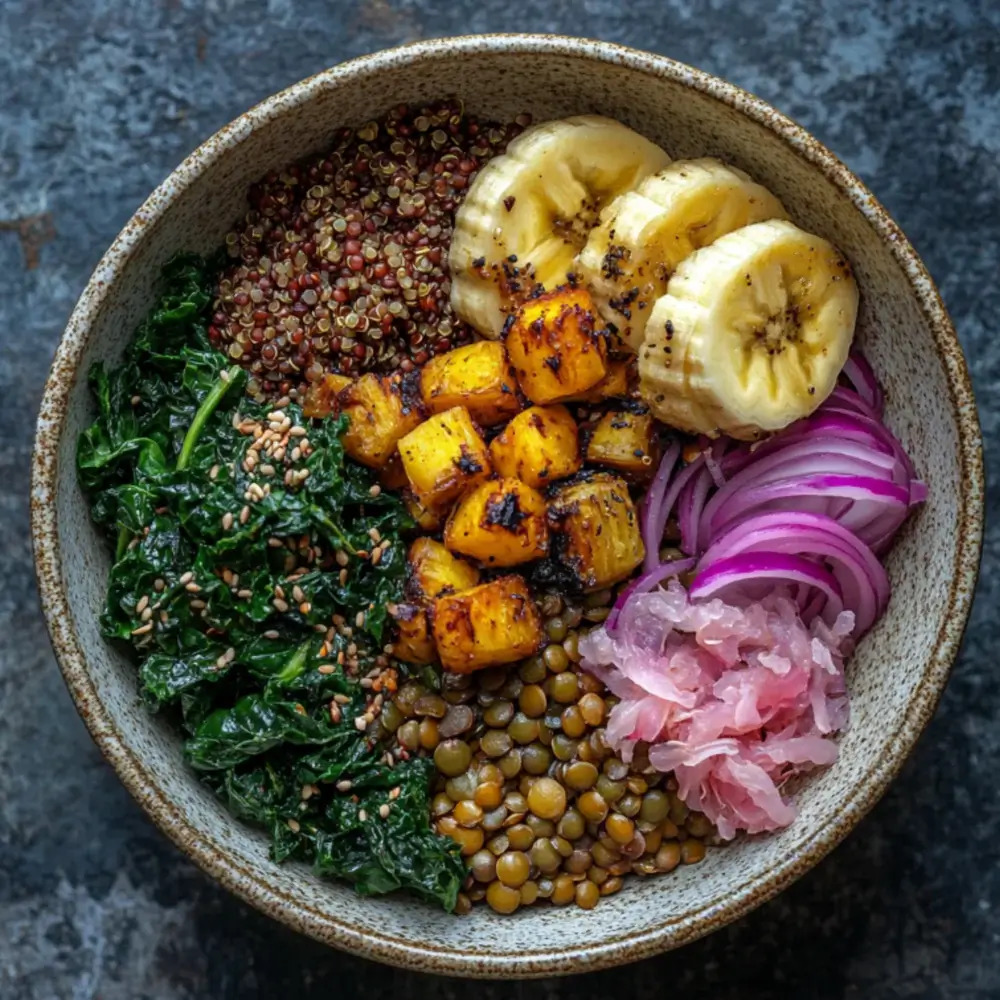
A resilient gut ecosystem depends on several foundational elements working together. To begin with, resistant starch plays a crucial role. These carbohydrates resist digestion in the small intestine and make their way to the colon, where they feed beneficial bacteria. Foods like cooked-and-cooled potatoes or rice, green bananas, plantains, and certain legumes help produce butyrate — a short-chain fatty acid that supports the gut lining, reduces inflammation, and strengthens immune signaling. Alongside resistant starch are prebiotic foods, which often receive far less attention than probiotics. Prebiotics are the fibers that nourish beneficial bacteria, allowing them to survive and thrive. Without these foods — such as onions, garlic, leeks, asparagus, chicory root, and Jerusalem artichokes — probiotics simply can’t do their job. Of course, probiotic foods still matter. Cultured vegetables and fermented foods act as a soothing balm for the gut, introducing beneficial organisms once the internal environment is ready. These are best introduced slowly and intentionally. Then there are whole grains, which have been unfairly villainized. Not all carbohydrates are harmful — and if you were taught that they were, you were misinformed. Whole grains help feed the microbiome, provide fiber and resistant starch, and supply key nutrients like vitamin B1 (thiamine), which is essential for nervous system health, digestion, and energy metabolism. You need fiber for regular, healthy stool and for healthy cholesterol. Fiber, drawn from vegetables, whole grains, and seeds, ties everything together by supporting motility, stool quality, and microbial balance. Protein and fat also play supporting roles, though needs vary greatly from person to person. Some bodies do best with primarily plant-based proteins, while others require animal sources for stability and repair. Healthy fats — such as olive oil, avocado, nuts, seeds, and omega-3-rich foods — help calm inflammation, support hormones, and aid in tissue healing. Even spices matter. Gentle digestive spices like fennel, ginger, cardamom, cumin, and coriander can enhance enzymatic activity and reduce gas and bloating when used appropriately. Finally, cruciferous vegetables deserve special mention. Broccoli, cauliflower, Brussels sprouts, and kale provide sulfur compounds that are critical for liver detoxification, estrogen metabolism, hormone balance, and even UTI prevention. As with everything, preparation and dosage make a difference, especially with how much and what one can tolerate. Check out this prebiotic Buddha bowl for inspiration.
So What If You Don’t Tolerate These Foods or Your Gut is Unhappy When you Consume Them?
This is where things become nuanced — and where many people feel stuck. If you’re dealing with conditions like SIBO (Small Intestinal Bacterial Overgrowth), leaky gut, chronic reflux, IBS patterns, colitis, Chron’s, histamine intolerance, or oxalate issues, pushing foods too quickly can worsen symptoms. Healing, in these cases, requires patience and strategy. It’s about peeling back layers rather than forcing tolerance. True gut repair often involves targeted herbal support, thoughtful supplementation, nervous system regulation, breathwork, emotional processing, movement, and vagus nerve stimulation. Food matters — but it’s only one piece of the puzzle. Food tolerance requires nervous system safety. If the body is braced, foods can feel threatening I have realized. This is why reintroduction must be slow, relational, and regulated. This is something I’m actively working on in my own body; really taking inventory of my thoughts and how I am feeling in my body so that I can reframe “unsafe” thinking.
Gentle, Practical Ways to Support Digestion and Build Resilience
Some of the most powerful tools are also the simplest. Chewing food thoroughly — even aiming for around thirty chews — reduces digestive burden before food ever reaches the stomach. Putting the fork down between bites can be surprisingly effective. Pausing to breathe before eating is another overlooked practice. Just a few slow breaths signal safety to the nervous system and help shift the body into a true rest‑and‑digest state. Certain supports can also soothe irritated tissues. Aloe juice, for example, has been shown to calm the esophagus and gut lining, and research has demonstrated benefits for individuals with subclinical hypothyroidism when used daily. Herbs such as calendula, plantain, fennel, spearmint, agrimony, marshmallow, chamomile, and meadowsweet can be deeply supportive when chosen carefully. The specific plant, dose, and form matter — which is why I formulate blends based on individual constitution and needs. Supplementation, too, must be intentional. Nutrients like magnesium, vitamin D3/K2, iron, B vitamins, and zinc are often relevant, but over‑supplementing — or taking what the body doesn’t need — can irritate the gut and drain the wallet. In practice, this often means temporarily avoiding irritants while actively healing, then reintroducing foods slowly and in small amounts to rebuild tolerance.
Sleep and Gut Health Are Deeply Intertwined
Without sleep, healing stalls. And when digestion is impaired, sleep often follows. This connection can show up as 3 a.m. wake‑ups due to blood sugar drops, bloating or gas that disrupts rest, or vivid dreams and nightmares when the liver is under strain. The gut, liver, hormones, and nervous system are in constant conversation.
Zooming Out for True Resilience
People often ask if I help with specific problems or conditions they want support with for example, UTIs, reflux, hiatal hernia, or Lyme disease. I am not a doctor and don’t “treat” disease. What I do is zoom out and see the whole person. These challenges don’t exist in isolation. They’re interconnected expressions of imbalance — and healing comes from choosing the right tools to support the body as a whole. I’m still learning, still refining, and still doing this work in my own body. But one thing has become very clear over time: Avoiding every trigger doesn’t heal the gut. Building resilience and teaching the body safety does. If you would like a compassionate ear to listen to your story so you can restore balance in your body— to sleep deeply, digest comfortably, and feel fully at home in yourself again. I’d love to hear your story. Book a free Connection Call.